When Safety Comes First for Your Child
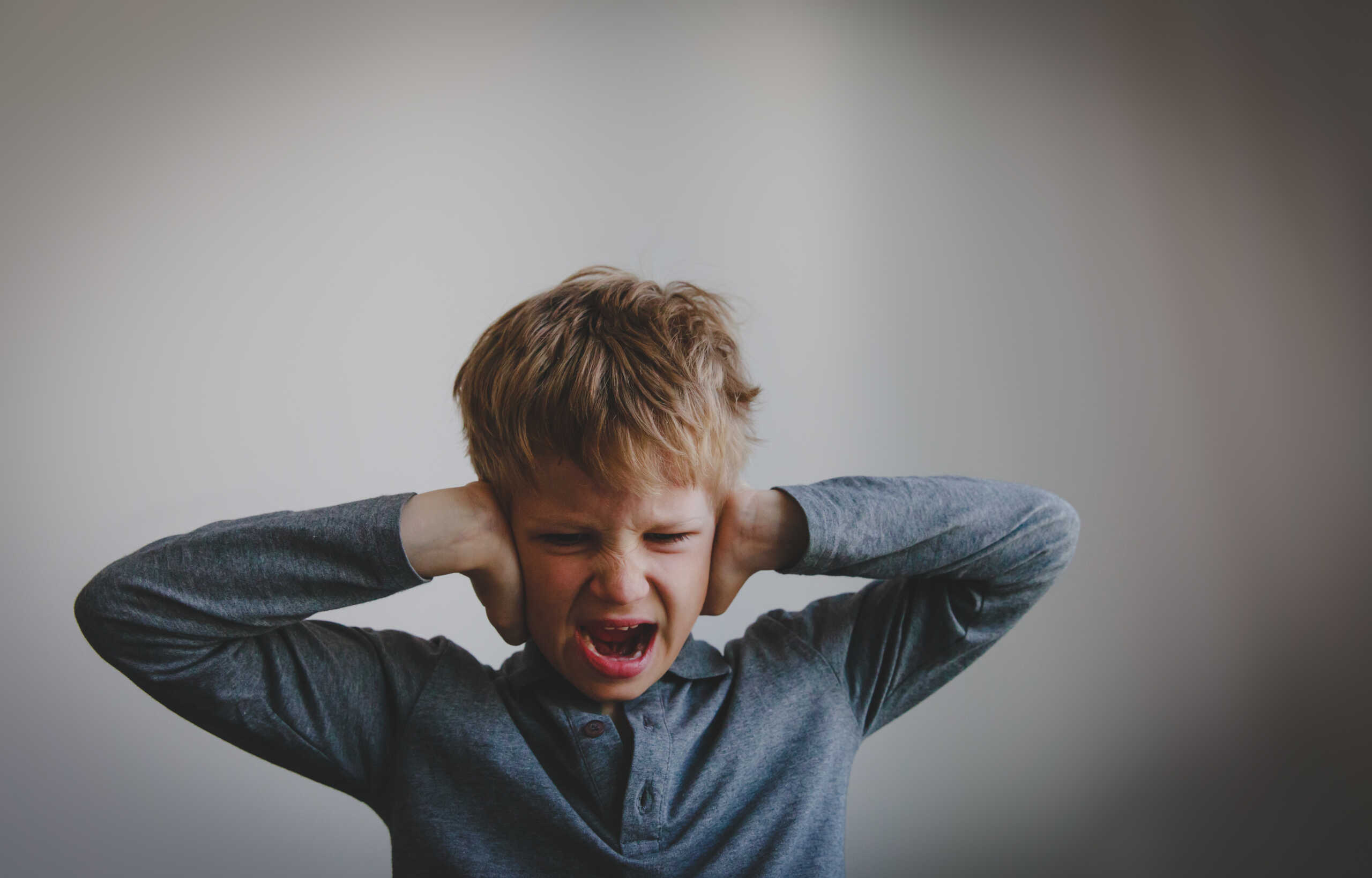
For many families, seeing a child engage in self-injury—head banging, biting, hitting, or scratching—is terrifying and heartbreaking. You’re not “overreacting.” These behaviors can affect safety, learning, and everyday life. The good news is that self-injury reduction interventions in ABA are designed to understand why the behavior happens and to replace it with safer, more effective skills.
At the Social Behavior Education Center (SBEC) in Orange County, California, our clinical team uses evidence-based, compassionate approaches to reduce self-injury and protect each child’s dignity. We combine Applied Behavior Analysis (ABA), collaboration with medical providers, and strong family support so you’re never facing this alone.
⚠️ If your child is in immediate danger due to self-injury, call emergency services right away before seeking outpatient services.
Understanding Self-Injury in Autism and Other Neurodevelopmental Conditions
Self-injurious behavior (SIB) is not “just misbehavior.” For many neurodivergent children, SIB is a way to communicate or cope when other tools are not available. Research on self-injury highlights that these behaviors often serve clear functions—such as seeking attention, escaping overwhelming situations, meeting sensory needs, or expressing pain or discomfort.
Common examples include:
- Head banging on walls, floors, or objects
- Biting hands, arms, or other body parts
- Hitting or punching one’s head or face
- Hair pulling, scratching, or pinching
Parents can read more about how professionals understand and treat self-injury at the Kennedy Krieger Institute’s overview of self-injurious behavior.
Our role at SBEC in Orange County, California is to translate this science into gentle, practical self-injury reduction interventions in ABA that fit your child, your family, and your culture.
Why ABA Focuses on Function, Not Blame
Looking Beneath the Behavior
High-quality ABA does not simply try to “stop” self-injury. Instead, self-injury reduction interventions in ABA focus on:
- Identifying the function of the behavior (what the child is getting or avoiding)
- Teaching safer replacement behaviors that serve the same function
- Adjusting environments to reduce triggers
- Promoting communication, emotional regulation, and independence
Decades of research show that function-based assessment—called Functional Behavior Assessment (FBA) or functional analysis—leads to more effective and ethical treatment of self-injurious behavior.
At SBEC in Orange County, California, every treatment plan for self-injury begins with this question: What is your child trying to tell us through this behavior, and how can we give them safer ways to express it?
Core Self-Injury Reduction Interventions in ABA
Functional Behavior Assessment (FBA)
A Board Certified Behavior Analyst (BCBA) or Qualified Behavior Analyst (QBA) will:
- Collect detailed information on when, where, and how self-injury occurs
- Look at antecedents (what happens before), the behavior, and consequences (what happens after)
- Collaborate with caregivers, teachers, and medical providers
- Rule out or coordinate evaluation for medical causes (pain, sleep issues, seizures, GI problems, etc.)
This FBA is the roadmap that guides all self-injury reduction interventions in ABA, including at SBEC here in Orange County, California.
Teaching Safer Communication
If self-injury is a way to “say” I need a break, I’m in pain, or I want attention, we systematically teach safer communication forms, such as:
- Asking for a break or help
- Using words, sign language, or gestures
- Using communication systems such as PECS or speech-generating devices
This is often part of Functional Communication Training (FCT), an ABA-based method shown to be highly effective for self-injury reduction.
Environmental and Sensory Supports
For many children, self-injury is tied to sensory overload or unmet sensory needs. ABA-based planning may include:
- Adjusting noise, lighting, or activity levels
- Building predictable routines and visual schedules
- Providing safe sensory tools (chewelry, weighted items, fidgets, deep pressure)
- Planning smooth transitions between tasks
In the middle of the treatment plan, our team may specifically highlight self-injury reduction interventions in ABA in Orange County, California, making sure school, home, and clinic environments all support the same goals.
Positive Reinforcement and Skill Building
We don’t just reduce harm; we build a richer life around the child. Intervention plans may focus on:
- Reinforcing calm behavior, communication, and coping strategies
- Teaching play, social skills, and self-help skills
- Encouraging interests and strengths to boost quality of life
How SBEC Supports Families in Orange County, California
At the Social Behavior Education Center, our self-injury programs are:
- Team-based: BCBAs, behavior technicians, and families work closely together.
- Integrated: We coordinate with schools, pediatricians, and other providers.
- Flexible: Services may be in-home, school-based, clinic-based, or via telehealth.
Our clinical expertise includes:
- Young children with emerging self-injury
- Children and adolescents with co-occurring autism, ADHD, or intellectual disability
- Complex cases requiring collaboration with medical and mental health providers
Our team provides free initial consultations and culturally sensitive support, including services in Farsi for families who prefer care in their native language. 👉 Get a free consultation
In that consultation, we explain how self-injury reduction interventions in ABA would look for your child and what steps we would take first to keep them safe and understood.
Insurance Coverage and Access to Care
SBEC works with many major insurance companies that help cover ABA therapy, including programs focused on self-injury reduction:
Anthem Blue Cross | Aetna | Magellan Health | Evernorth Behavioral Health/Cigna | Blue Shield of California
If you are unsure about coverage, our team will help you check your benefits and answer questions before you start. This makes it easier for families across Orange County, California to access specialized help when self-injury is a concern.
👉 Get a free consultation to learn how your insurance coverage and treatment options can be aligned with your child’s needs.
Support for Iranians Abroad and Multicultural Families
SBEC has a strong commitment to multicultural care. Our bilingual clinicians support families in both English and Farsi.
- Understand what high-quality self-injury reduction interventions in ABA should include
- Prepare questions to ask providers in your country
- Advocate for function-based, respectful treatment for your child
Even if you do not live near Orange County, California, our guidance can help you feel less alone and more prepared to seek appropriate services locally.
Taking the First Step Toward Safety and Healing
Self-injury is frightening—but it is not a sign that your child is “lost” or beyond help. With careful assessment, compassionate self-injury reduction interventions in ABA, and a team that truly listens, children can learn safer ways to cope, communicate, and connect.
If you’re ready to talk about what’s happening and explore next steps, we’re here for you.
📞 Call us at (949) 259-8786
📧 Email: Drtorabicounselling@gmail.com
👉 Get a free consultation – Our team provides free initial consultations and culturally sensitive support, including services in Farsi for families who prefer care in their native language. Iranians abroad can get free initial consultation from our bilingual professionals about safe, ethical approaches to self-injury reduction in ABA.