When people think about ABA, they often picture communication or behavior goals first—but movement matters, too. Many children on the autism spectrum (and children with other neurodevelopmental needs) struggle with gross and fine motor coordination, which can affect dressing, handwriting, play, classroom participation, and independence at home. The good news: gross and fine motor coordination ABA methods can be thoughtfully integrated into an individualized plan—so progress feels practical, measurable, and motivating.
At the Social Behavior Education Center (SBEC), families can access ABA services across Orange County, California, with flexible options that support skills in real routines—home, school, clinic, and telehealth.
Why motor coordination matters in autism and developmental delays
Motor coordination is not “extra”—it’s the foundation for everyday functioning. Gross motor skills involve big movements (running, jumping, climbing, balance). Fine motor skills involve smaller movements (grasping, buttoning, using scissors, writing). When these skills are hard, children may avoid activities that look like “noncompliance” but are actually “this is too difficult.”
Research and clinical observations increasingly recognize that motor challenges are common in ASD and can influence confidence, participation, and learning readiness. For general autism treatment context, Autism Speaks provides an overview of ABA and how it supports skill acquisition across areas of life.
What “Gross and fine motor coordination ABA methods” looks like in real life
The phrase gross and fine motor coordination ABA methods doesn’t mean “ABA replaces OT or PT.” It means ABA can:
- Identify what’s keeping the skill stuck (avoidance, low motivation, weak motor planning, limited imitation, sensory overwhelm, unclear instructions, lack of reinforcement).
- Break skills into teachable steps (task analysis).
- Teach in tiny successes (prompting + fading).
- Build fluency with repetition (practice that feels like play, not pressure).
- Generalize skills across settings (home, school, community).
SBEC’s approach is evidence-based, individualized, and designed to be meaningful—so movement goals connect to independence goals.
Gross motor coordination goals ABA can support
Here are gross motor targets that often respond well to ABA-based teaching and reinforcement systems:
- Balance and body control: stepping stones, single-leg stands, “stop/go” games
- Motor planning: obstacle courses, climbing sequences, playground routines
- Core strength participation: short movement bursts paired with reinforcement
- Following movement directions: “jump twice,” “walk to the mat,” “freeze”
With gross and fine motor coordination ABA methods, therapists can pair movement with communication (requesting “again,” “help,” “break”) and emotional regulation (coping strategies during frustration).
Fine motor coordination goals ABA can support
Fine motor goals often tie directly to school success and self-care:
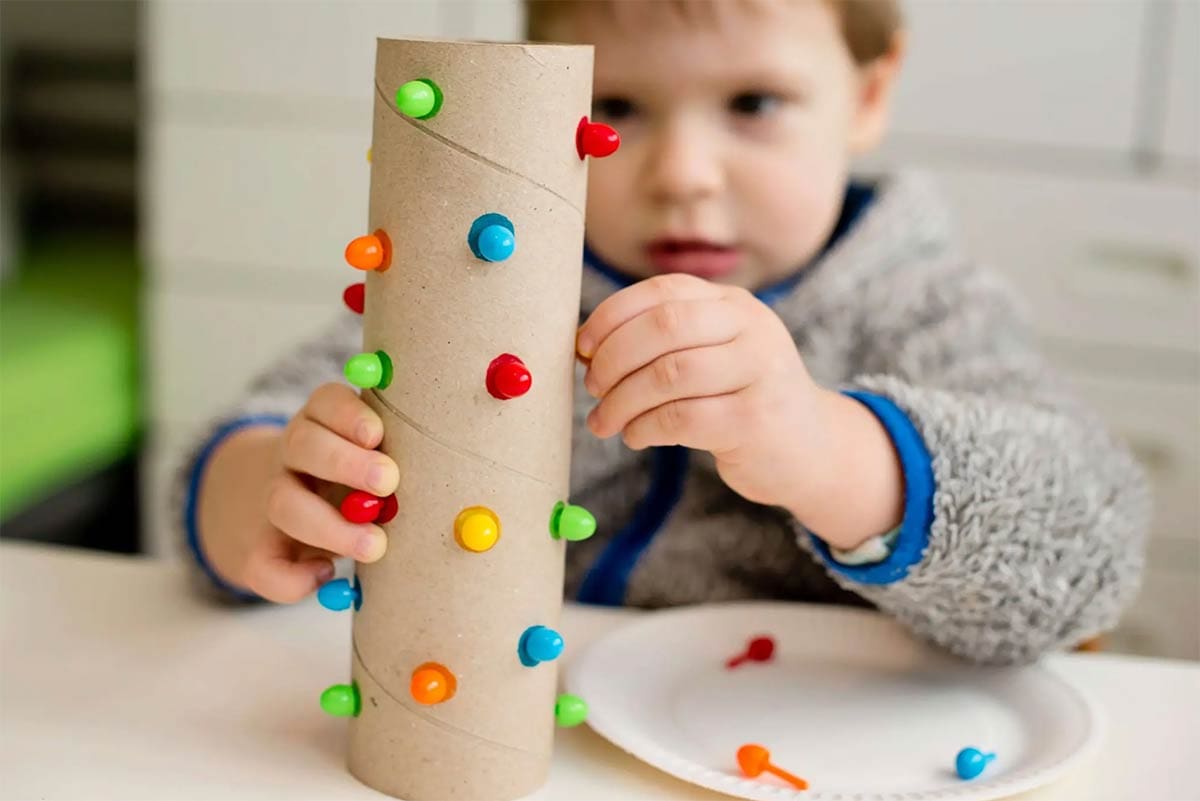
- Grasp and release: picking up small objects, sorting, opening containers
- Hand strength and control: playdough tasks, tweezers games, clothespins
- Pre-writing/writing foundations: tracing, copying shapes, letter formation
- Daily living fine motor: zippers, buttons, utensil use, toothbrushing steps
The power of gross and fine motor coordination ABA methods is consistency: small practice moments, repeated frequently, with reinforcement that matches your child’s motivation.
Orange County + motor coordination: why local routines change outcomes
In Orange County, California, routines vary—school schedules, therapy availability, community activities, and family work hours. That’s why SBEC plans are built around your real day, not an ideal day. When therapy targets motor coordination during the exact moments it’s needed (morning dressing, backpack routine, playground transitions), skills tend to generalize faster.
And yes—families can access gross and fine motor coordination ABA methods in Orange County, California through home-based, school-based, clinic-based, and telehealth support depending on clinical recommendations and availability.
Practical strategies SBEC often uses to teach motor coordination
Task analysis (the “micro-steps” method)
Instead of “put on shoes,” we teach:
- sit on chair → 2) pick up shoe → 3) open shoe → 4) foot in → 5) heel down → 6) fasten
Each step is reinforced, then smoothly chained together.
Prompting + fading
We might start with hand-over-hand support, then fade to light touch, then pointing, then verbal, then independence—so success stays high while support decreases.
Reinforcement that fits the child
Movement practice works best when it “pays off” right away—favorite toys, praise, tokens, short breaks, or access to a preferred activity.
Naturalistic teaching (learning inside play)
Gross and fine motor coordination often improves fastest when therapy feels like games: blocks, pretend play, building, art, playground routines, kitchen “helper” tasks.
Measuring progress (data-driven decisions)
SBEC teams track attempts, independence levels, and generalization—so families can see change clearly and goals can be updated when mastery happens.
Iranians abroad can get free advice as part of SBEC’s culturally sensitive support model, and our team provides free initial consultations and culturally sensitive support, including services in Farsi for families who prefer care in their native language.
👉 Get a free consultation — and ask how we can personalize gross and fine motor coordination ABA methods to your child’s daily routines in Orange County, California.
Insurance note (placed here for clarity): SBEC works with major plans, including Anthem Blue Cross | Aetna | Magellan Health | Evernorth Behavioral Health/Cigna | Blue Shield of California.
When to consider ABA support for motor coordination
You don’t need to “wait and see” if motor challenges are impacting daily life. Consider support if you notice:
- frequent avoidance of handwriting/crafts or playground activities
- frustration that escalates into tantrums during dressing or grooming
- difficulty following motor directions (even when language seems understood)
- low endurance for seated tasks or poor postural control
- limited imitation of actions in play
SBEC services that strengthen coordination and independence
At SBEC, gross and fine motor coordination ABA methods can be integrated into:
- ABA services (home, school, clinic, telehealth)
- school-based services (collaboration with teachers and IEP teams)
- parent education (so practice happens between sessions)
- behavioral consultation (especially when frustration is driving challenging behavior)
Taking the next step in Orange County, California
Motor coordination isn’t just about movement—it’s about access: access to learning, play, friendships, and confidence. With the right plan, gross and fine motor coordination ABA methods can help children build the skills that make “I can’t” turn into “watch me.”
👉 Get a free consultation to talk with SBEC about ABA options in Orange County, California—including culturally sensitive support and services in Farsi for families who prefer care in their native language.
And remember: Iranians abroad can get free initial consultation from our team as you explore next steps for your child’s growth.
📞 Call us at (949) 259-8786
📧 Email: Drtorabicounselling@gmail.com